Foam mattresses represent a versatile sleeping surface designed to contour to the body, providing pressure relief and stable support for spinal alignment. This category highlights various foam constructions, including memory foam and high-density polyurethane foam, and explains how density, cell structure, and layering influence comfort, durability, and heat dissipation during rest.
In understanding foam mattress performance, it is important to consider firmness options, motion isolation, and airflow. Memory foam tends to minimize partner disturbances, while breathable foams and open-cell designs enhance temperature regulation. Consumers can evaluate density ratings and layering to match sleeper weight, sleep position, and any pressure-sensitive areas.
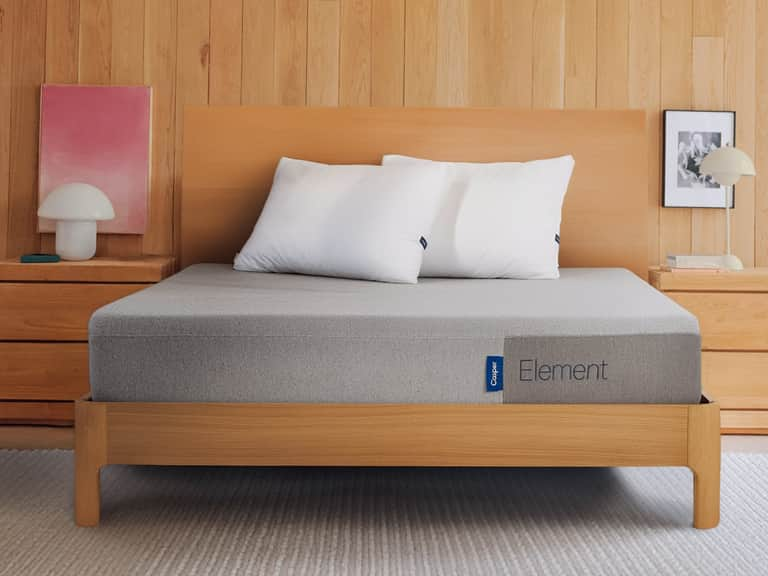
The Element Mattress exemplifies key foam technologies through its layered design, which combines contouring comfort with targeted support zones. Features may include multi-layer memory foam, transitional foams for spinal alignment, and resilient base layers that maintain structural integrity over time, contributing to long-term durability.
Foam mattresses pair well with adjustable beds, where underlying support and responsive materials support elevating configurations for reading, watching, or alleviating certain medical conditions. Compatibility with bed frames and foundations, along with removable, washable covers, can influence hygiene, maintenance, and overall user experience across bedding settings.
When selecting a foam mattress, considerations extend to materials such as organic and latex-infused foams, which offer different responses to pressure and temperature. This category also connects to broader bedding topics, including pillows and organic mattresses, underscoring the relationship between mattress composition, sleep quality, and overall wellbeing.
 Mattresses